Creating a beautiful home does not always require a massive renovation or an unlimited budget. In many cases, small upgrades and thoughtful design choices can dramatically improve the overall look and feel of a space. Whether you live in a compact apartment or a large family home, the right aesthetic improvements can make your living environment more welcoming, comfortable, and visually appealing.
Modern homeowners are increasingly looking for creative ways to upgrade their interiors and exteriors without committing to major construction projects. Strategic updates such as improved lighting, fresh color palettes, stylish furniture placement, and thoughtful architectural details can completely transform the atmosphere of a home.
The key is to focus on high-impact improvements that elevate both function and design. From improving curb appeal to upgrading interior spaces, the right home hacks can create a cohesive aesthetic that reflects your personality and lifestyle. With a little creativity and planning, you can turn ordinary spaces into visually stunning environments that feel both elegant and practical.
Upgrade Your Home’s Exterior for Instant Curb Appeal
Refreshing the Look With Color and Texture
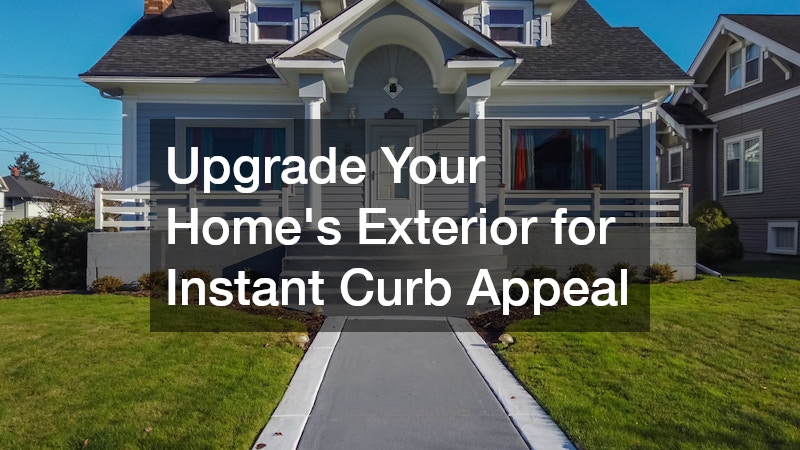
A simple yet powerful way to improve curb appeal is through exterior house painting. A fresh coat of paint can instantly modernize an outdated home and make architectural details stand out. Neutral palettes paired with contrasting trim are particularly popular because they create a timeless appearance. Popular combinations include soft gray with white trim, warm beige with dark shutters, and modern charcoal with natural wood accents.
Working With the Right Professionals
When planning larger upgrades, many homeowners consult a construction contractor to ensure structural improvements blend seamlessly with the existing design. Contractors can recommend durable materials, updated siding options, and design solutions that enhance both appearance and long-term performance.
Landscape Enhancements That Frame the Home
Landscaping plays an important role in how a house is visually perceived. Well-designed outdoor spaces help frame the home and guide attention toward its architectural features. Consider improvements such as layered plant beds, decorative stone borders, pathway lighting, and trimmed shrubs that highlight the entryway.
Entryway Upgrades That Create a Statement
Your entryway should feel intentional and inviting. Small upgrades like stylish house numbers, decorative planters, updated lighting fixtures, and a freshly painted front door can make a big difference in the overall appearance of your home.
Improve Natural Lighting for a Brighter Interior
Enhancing Window Function and Style
Natural light can dramatically improve how a room feels. Many homeowners work with home window tinting companies to maintain bright interiors while reducing glare and heat. Window tinting also protects furniture from sun damage and gives windows a sleek, consistent exterior appearance.
Simple Tricks to Maximize Light
Maximizing sunlight does not require major renovations. Small adjustments can increase brightness throughout the home:
• Replace heavy curtains with sheer fabrics
• Use mirrors to reflect natural light
• Choose light-colored walls and décor
• Keep windows clear of large furniture
These simple changes can instantly make spaces feel larger and more open.
Furniture Placement Matters
Strategic furniture placement can dramatically affect lighting. Large sofas or cabinets positioned directly in front of windows block sunlight and create darker areas in a room. Rearranging furniture to allow light to flow freely improves both function and visual comfort.
Layering Lighting for Evening Ambiance
Once the sun sets, layered lighting helps maintain a cozy atmosphere. Combining ceiling fixtures, table lamps, floor lamps, and accent lighting creates depth and warmth while improving visibility.
Refresh Your Kitchen for a Modern Look
Updating Cabinets and Hardware
The kitchen is often the centerpiece of a home, and even small changes can improve its appearance. Replacing outdated cabinet handles with sleek modern hardware can instantly give cabinets a more contemporary look.
Planning Larger Kitchen Improvements
For homeowners ready to take things further, consulting kitchen remodeling services can provide professional guidance on layout improvements, materials, and design updates. Experts can help create kitchens that are both functional and visually appealing.
Countertops and Backsplashes That Stand Out
Upgrading countertops or backsplashes is one of the most noticeable improvements in a kitchen. Popular materials include quartz, marble, butcher block, and patterned tile. These features create focal points that elevate the room’s aesthetic.
Open Shelving for Style and Display
Open shelving allows homeowners to display attractive kitchen items while keeping frequently used pieces within reach. Decorative jars, stylish dishware, cookbooks, and small plants can create a curated yet functional display.
Add Architectural Character to Plain Spaces
Introducing Structural Design Elements
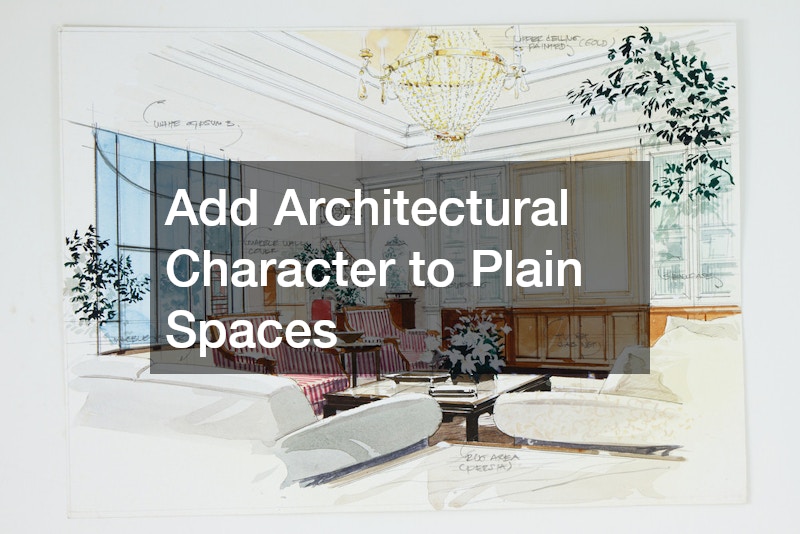
Homes that feel plain or minimal can benefit from architectural enhancements. Some homeowners collaborate with a custom home builder to incorporate subtle structural upgrades that add depth and personality without overwhelming the design.
Decorative Trim and Molding
Molding and trim create elegance and visual structure within a room. Common upgrades include crown molding, chair rails, board-and-batten walls, and decorative ceiling beams.
Creating Eye-Catching Feature Walls
Feature walls add visual interest and personality to otherwise neutral spaces. Options include textured wallpaper, wood paneling, painted accent walls, or stone veneer installations.
Built-In Shelving for Function and Style
Built-in shelving combines storage with design. It provides a place to display books, artwork, family photos, and decorative pieces while keeping rooms organized.
Use Color Psychology to Transform Your Rooms
Understanding How Colors Influence Mood
Color has a powerful impact on how a room feels. Blues often promote calmness, greens create balance and harmony, warm neutrals provide comfort, and soft pastels make spaces feel light and airy.
Layering Colors for Depth
Designers often layer shades within a color family to create visual depth. For example, pairing light beige walls with darker brown accents or combining soft gray tones with charcoal décor elements can produce a more sophisticated look.
Accent Pieces That Reinforce Your Palette
Accent pieces help carry color themes throughout the home. Throw pillows, rugs, wall art, and decorative objects can tie together different shades within a room’s palette.
Small Decorative Changes That Make a Big Difference
Simple decorative updates can transform a space without requiring major renovations. New light fixtures, updated picture frames, fresh plants, and decorative trays can bring personality and warmth to any room.
Create Functional Outdoor Living Spaces
Designing Comfortable Outdoor Areas
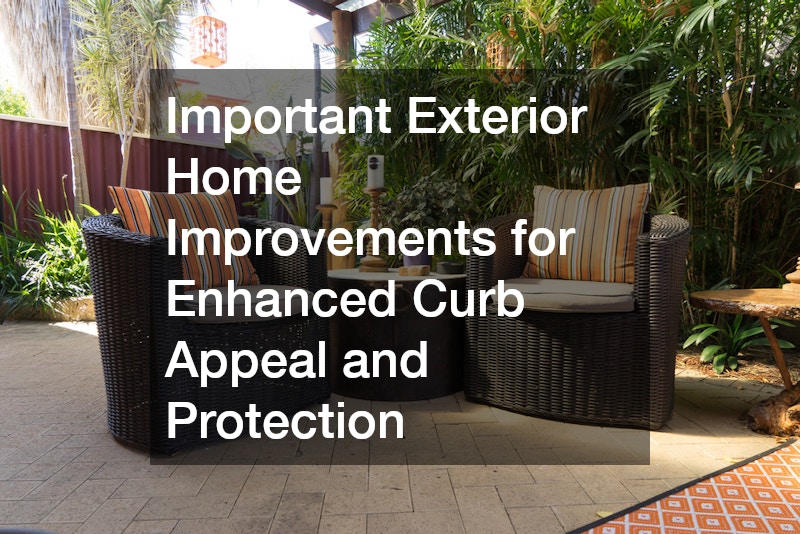
Outdoor living spaces have become an extension of the home’s interior design. Creating comfortable outdoor areas allows homeowners to enjoy fresh air while maintaining the same aesthetic appeal found inside. Seating areas with weather-resistant furniture, decorative cushions, and outdoor rugs can instantly make patios or backyards feel more welcoming.
Structures That Add Character
Some homeowners collaborate with a post frame building contractor when they want to add outdoor structures such as covered patios, pergolas, or detached garages that blend with the home’s design. These structures can introduce rustic charm or modern architectural features that enhance the property’s visual appeal.
Outdoor Decor and Lighting
Thoughtful decor elements can transform a simple outdoor area into a stylish retreat. Consider adding:
• String lights or lanterns for soft illumination
• Outdoor wall art or decorative panels
• Stylish planters and greenery
• Fire pits or tabletop heaters
These small details create ambiance and make outdoor spaces feel intentionally designed.
Creating Defined Zones
Dividing outdoor spaces into different zones improves both function and aesthetics. For example:
• Dining area with a table and chairs
• Lounge area with comfortable seating
• Garden or plant display area
• Fire pit or relaxation zone
These zones help create a balanced and visually appealing outdoor layout.
Expand Your Living Space Strategically
Adding Space Without Losing Style
When homes begin to feel crowded, expanding the living area can dramatically improve both comfort and aesthetics. Thoughtfully designed home additions allow homeowners to increase square footage while maintaining a cohesive architectural style.
Blending Additions With Existing Design
The most visually successful additions match the existing home’s materials, rooflines, and design elements. Proper planning ensures that new spaces feel like a natural extension rather than an obvious afterthought.
Popular Types of Home Expansions
Some common additions that enhance both functionality and aesthetics include:
• Sunrooms that allow natural light to fill the home
• Expanded living rooms for entertaining
• Additional bedrooms for growing families
• Home offices for remote work
These additions can improve daily life while also increasing property value.
Designing Multi-Purpose Spaces
Modern homes benefit from flexible rooms that can serve multiple purposes. A guest room might double as an office, or a finished basement might function as a gym, playroom, and media room.
Multi-purpose design keeps homes practical while maintaining an organized and stylish appearance.
Upgrade Key Systems Without Sacrificing Design
Blending Function With Aesthetic Appeal
Functional home systems can also influence how a space looks and feels. Heating equipment, power systems, and other utilities should be integrated carefully so they do not detract from the home’s overall design.
Maintaining Reliable Heating Solutions
In colder climates, many households rely on home heating oils to maintain comfortable indoor temperatures. Properly maintained heating systems keep homes warm while preventing bulky equipment or outdated systems from interfering with interior design.
Preparing for Power Outages
Power outages can disrupt comfort and safety, which is why some homeowners invest in a residential generator. Modern generators can be installed discreetly and integrated into landscaping so they remain functional without becoming an eyesore.
Organizing Utility Spaces
Basements, garages, and utility rooms often become cluttered with mechanical equipment. Keeping these areas organized with shelving, labeled storage containers, and designated zones helps maintain a clean and polished appearance.
Upgrade Interior Spaces With Smart Renovations
Identifying Areas With the Most Visual Impact
Strategic upgrades can significantly improve a home’s appearance. Many homeowners turn to home remodeling services when they want to refresh outdated interiors while maintaining the character of their home.
Professionals can recommend improvements that maximize both aesthetics and practicality.
Prioritizing High-Impact Rooms
Certain rooms naturally influence the overall feel of a home. Renovating these areas first often delivers the most noticeable improvement:
• Kitchens
• Bathrooms
• Living rooms
• Entryways
These spaces are typically the most visible and frequently used.
Materials That Improve Both Beauty and Durability
Choosing the right materials ensures renovations remain visually appealing for years. Popular options include natural stone surfaces, hardwood flooring, quartz countertops, and ceramic tile.
These materials combine elegance with long-term durability.
Keeping Design Cohesive
When renovating multiple rooms, maintaining a consistent design theme is essential. Coordinating colors, finishes, and textures helps create a seamless aesthetic throughout the home.
Consistency prevents rooms from feeling disconnected or mismatched.
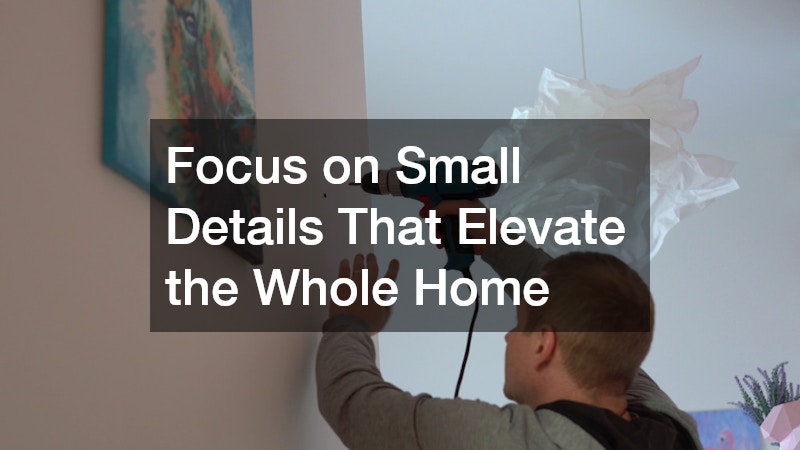
Focus on Small Details That Elevate the Whole Home
Hardware and Fixture Upgrades
Small details often have a surprisingly large impact on a home’s aesthetic. Updating cabinet handles, faucets, door knobs, and light fixtures can make spaces feel newer and more refined.
Decorative Elements That Add Personality
Decorative accessories bring warmth and character into a home. Consider adding:
• Framed artwork or photography
• Indoor plants and greenery
• Stylish vases and decorative bowls
• Textured throw blankets and pillows
These items help personalize your home while enhancing its overall style.
Keeping Spaces Organized and Clutter-Free
A well-organized home automatically looks more polished. Storage baskets, drawer organizers, and hidden cabinets can keep clutter out of sight while maintaining visual harmony.
Minimal clutter allows architectural features and design elements to stand out.
Creating Visual Balance
Achieving visual balance is key to good interior design. Try to distribute colors, textures, and decorative elements evenly throughout the space so that no single area feels too heavy or overwhelming.
Balanced rooms tend to feel more comfortable, inviting, and aesthetically pleasing.
Improving your home’s aesthetic does not always require large-scale renovations or expensive upgrades. In many cases, thoughtful changes and strategic improvements can dramatically transform the way a home looks and feels.
From improving natural lighting and refreshing interior colors to upgrading outdoor spaces and incorporating architectural details, these home hacks can elevate both the beauty and functionality of your living environment.
By focusing on design consistency, smart upgrades, and personalized touches, homeowners can create spaces that reflect their style while remaining comfortable and practical. With the right combination of creativity and planning, any home can become a visually stunning place that feels welcoming every day.
Ultimately, the most successful home design improvements come from balancing creativity with practicality. By making intentional choices—whether through subtle décor updates, thoughtful layout changes, or strategic structural improvements—you can gradually elevate the overall atmosphere of your home. Over time, these small enhancements work together to create a cohesive environment that feels stylish, comfortable, and uniquely yours, proving that even simple home hacks can have a lasting impact on the beauty and enjoyment of your living space.